Balcony Tomato Flowers but No Fruit: A Diagnostic Order
When a balcony tomato flowers but produces no fruit, do not begin by adding fertilizer. First determine what the flowers are doing. Flowers that dry up and fall point toward blossom drop; flowers that remain but never develop may indicate p
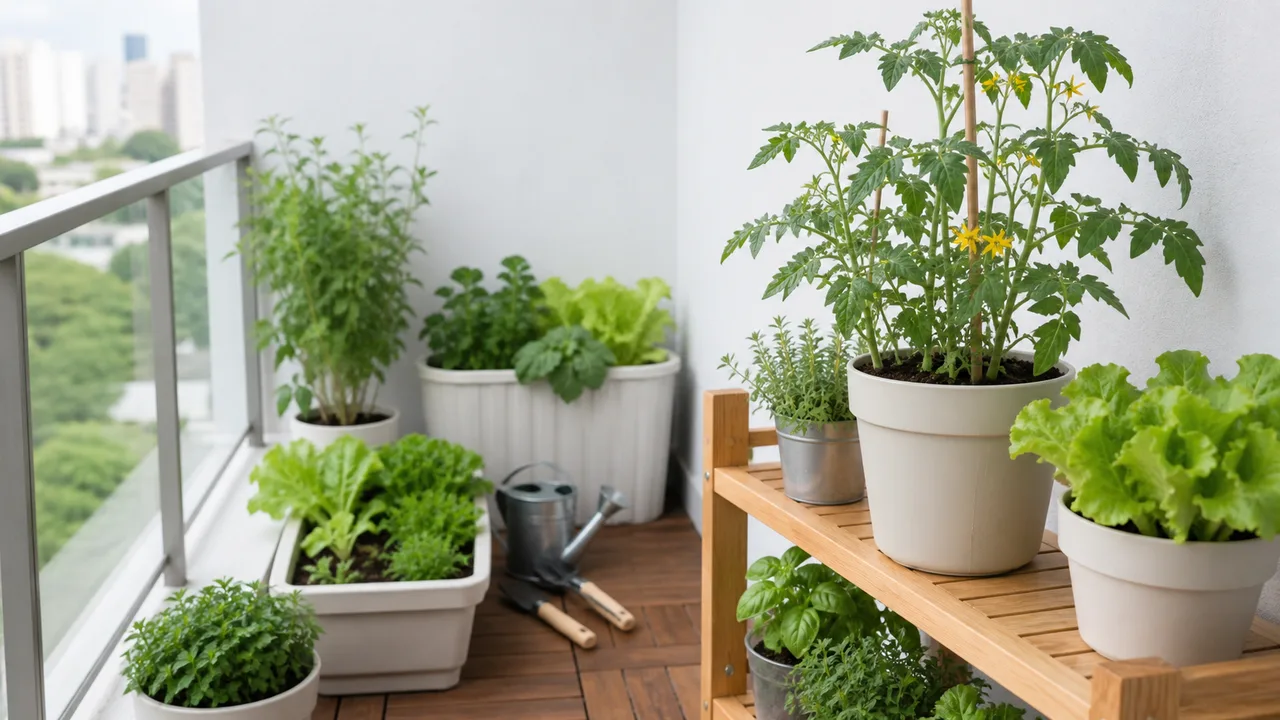
When a balcony tomato flowers but produces no fruit, do not begin by adding fertilizer. First determine what the flowers are doing. Flowers that dry up and fall point toward blossom drop; flowers that remain but never develop may indicate poor pollen transfer or stress. The next action depends on that distinction.
This is a diagnostic guide, not a report of a tested plant. Temperature, cultivar, humidity, light, moisture, nutrition, and duration of stress interact, so use the pattern to choose one correction rather than claiming a certain diagnosis from one symptom.
1. Look at the failed flower
Inspect several clusters, not one flower.
- The flower stem yellows and the whole flower drops: temperature stress, moisture stress, or another interruption to fruit set is plausible.
- The flower remains open, then closes without a swelling ovary: pollen may not have moved effectively, or heat/humidity may have reduced pollen function.
- Tiny fruit begins, then stops or drops: root stress, erratic moisture, heat, or nutrition may be involved.
- The plant has dense dark foliage and long stems but few flowers: excessive nitrogen is a stronger suspect than lack of fertilizer.
Take a dated photograph and note whether the newest cluster behaves the same way. Old failed flowers show what happened during their flowering period, not necessarily what the plant is experiencing today.
2. Check the temperature record for that flowering period
Tomato fruit set is sensitive to temperature, especially sustained warm nights. University of Minnesota Extension reports that periods above roughly 85°F (29°C) during the day and 70°F (21°C) at night can interfere with pollination and lead to flower drop. Penn State Extension notes that blossom drop can also occur when nights fall below 55°F (13°C) or rise above 75°F (24°C).
These numbers are overlapping guidance, not universal switches. Cultivar, humidity and duration matter. Use them to interpret a run of failed clusters after a heat wave or cold nights.
On a hot balcony:
- move a portable pot away from reflected afternoon heat if a brighter, cooler position still provides adequate light;
- keep the root zone evenly moist rather than alternating between drought and flooding;
- avoid hard pruning that suddenly exposes developing fruit and leaves to intense sun;
- wait for flowers formed under milder conditions before judging recovery.
On cold nights, protect the plant according to local horticultural guidance or move a portable container to a suitable sheltered position. Do not expect flowers damaged during the cold period to recover.
3. Help pollen move—gently
Tomato flowers contain both male and female structures, but pollen still needs movement within the flower. Outdoors, wind and vibration often do this. A balcony enclosed by glass or screens may be unusually still.
When flowers are fully open and dry, lightly tap the flower cluster or vibrate its support. The Royal Horticultural Society recommends light tapping or shaking to aid pollen transfer. Do not strike the stem, damage blossoms, or assume more force produces more fruit.
Repeat on newly opened flowers during suitable weather, then observe the next several days. Hand vibration cannot overcome pollen damaged by temperature extremes, and it will not correct a plant that is severely water-stressed.
4. Read the foliage before feeding
If the plant is large, deep green, and leafy but produces few flowers or fruit, review fertilizer use. University of Minnesota Extension identifies excessive nitrogen as one reason vegetables can make lush growth without a harvest.
Check the fertilizer label and your records:
- How often was it applied?
- Was a slow-release fertilizer already mixed into the potting medium?
- Was a general high-nitrogen feed added on top?
- Has the dose been estimated rather than measured?
Pause unnecessary feeding instead of adding a “bloom booster” blindly. Resume only according to the product label and the plant’s stage. RHS guidance for container tomatoes places high-potassium feeding after the first fruits begin to swell; that is not evidence that extra fertilizer fixes flowers that never set.
Pale or weak growth can also reflect limited roots, moisture problems, or nutrient shortage, but leaf color alone is not a complete diagnosis.
5. Check moisture through the root zone
Container tomatoes can dry quickly, yet wilting does not always mean dryness. Push a finger into the mix and, when practical, learn the difference between the pot’s freshly watered and drying weights. Water thoroughly when the root zone needs it, then let excess water drain.
Look for patterns:
- mix pulling away from the pot edge;
- water running through a dry channel without wetting the center;
- a saucer that keeps the pot continuously saturated;
- a small root-bound container drying again within hours;
- heavy watering after repeated drought.
Penn State and RHS both identify uneven moisture as a contributor to flower or fruit problems. Correct the pattern gradually. A larger container or a water reservoir may improve stability, but transplanting during severe heat adds another stress, so time the change carefully.
6. Confirm that the plant has enough light
Penn State recommends at least six hours of direct sun for tomatoes. If the plant stretches toward the balcony edge, makes long gaps between leaves, or receives only brief direct light, pollen assistance and fertilizer will not compensate for an unsuitable site.
Measure actual direct sun during the flowering period. If no position reaches a useful level, set realistic expectations or choose a crop better suited to the balcony rather than escalating inputs.
Change one variable, then watch new flowers
Use this order:
- record whether flowers drop or remain;
- compare flowering dates with temperature;
- add gentle vibration if the site is still;
- correct obvious overfeeding;
- stabilize root-zone moisture;
- reassess direct light and container size.
Do not make all six changes in one afternoon. Existing failed flowers may not recover; the useful evidence comes from the next cluster produced under improved conditions. If new growth remains distorted, pests or disease are visible, roots smell rotten, or the plant continues to decline despite corrected conditions, seek a local Extension or horticultural diagnostic service with photos, weather history, cultivar, container size, and feeding record.
Sources
- University of Minnesota Extension, “How excessive heat affects the vegetable garden”: https://extension.umn.edu/planting-and-growing-guides/how-excessive-heat-affects-vegetable-garden
- Penn State Extension, “Tomatoes: From Seedlings to Fruit”: https://extension.psu.edu/tomatoes-from-seedlings-to-fruit
- Penn State Extension, “Heat Stress and Tomatoes”: https://extension.psu.edu/heat-stress-and-tomatoes
- Royal Horticultural Society, “How to grow Tomatoes”: https://www.rhs.org.uk/vegetables/tomatoes/grow-your-own
This guide provides general educational information. Conditions, regulations, structures and plant requirements vary; verify decisions against your own site and relevant local guidance.