Seasonal Balcony Care Tips: Watering, Shade, and Wind
A seasonal care routine should respond to measurements and plant signals, not flip automatically when a month changes. On a balcony, container size, plant size, direct sun, reflected heat and wind can change water demand within a day. Use t
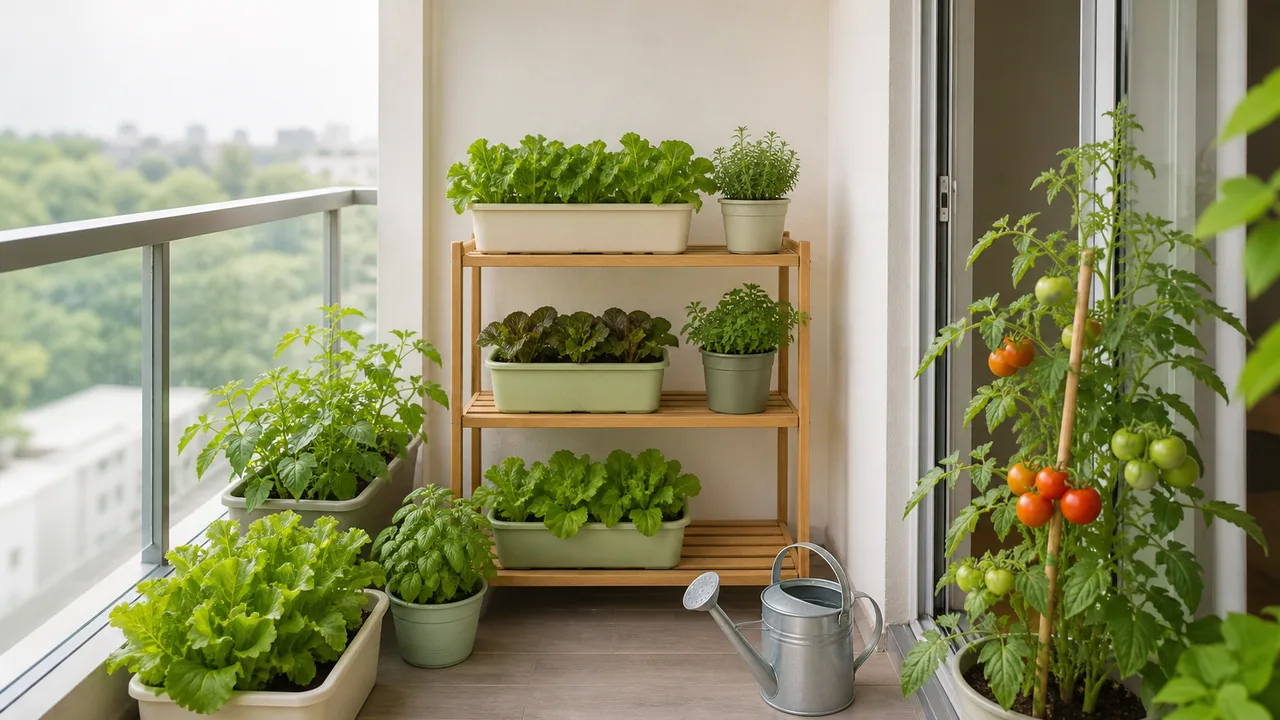
A seasonal care routine should respond to measurements and plant signals, not flip automatically when a month changes. On a balcony, container size, plant size, direct sun, reflected heat and wind can change water demand within a day. Use the following checks to decide what to do.
Watering: test before acting
Push a finger into the potting mix below the dry-looking surface and learn how the container feels when recently watered versus when it is becoming light. Water when the root zone needs it, then apply enough to wet the mix thoroughly and allow excess to drain.
Increase monitoring when weather becomes hotter, drier or windier, or when a plant fills its container with roots. Reduce automatic watering when conditions cool, light drops or rain reaches the pot. The check should become more frequent or less frequent; it should not become a rigid promise to water every day or every week.
If a plant wilts, diagnose before flooding it:
- Dry mix and a light pot: water thoroughly and observe recovery.
- Wet mix and a wilting plant: stop adding water; inspect drainage and root health.
- Moist mix with temporary midday droop: heat may be driving water loss faster than roots can supply it. Recheck when exposure eases.
- One pot dries much faster than others: compare container volume, wind, sun, plant size and root crowding.
Standing water in a saucer can keep roots saturated and may create nuisance runoff or pests. Follow building rules, keep drainage paths clear and empty retained water where appropriate.
Shade: solve the right problem
More shade is not a universal cure for heat. Fruiting vegetables still need adequate light, and permanent deep shade can reduce growth. Begin by observing when damage occurs.
- Leaves stressed only during harsh afternoon exposure: temporary afternoon shade may help.
- Potting mix overheats or dries exceptionally fast: shade the container or move it to a permitted, less reflective position before darkening the whole plant.
- Growth changes after a move into deeper shade: compare the plant with its crop-specific light guidance before adding more protection.
- Damage appears after an abrupt move outdoors: check crop-specific acclimation guidance before changing the exposure again.
Use material designed for plant shading and select it with crop and climate guidance. Secure it so it cannot detach in wind, do not block required exits or views and obtain permission for attachments. Reassess when the sun angle or weather pattern changes; shade useful during a heat event may be unnecessary later.
Wind: reduce leverage and water loss
Wind can accelerate drying, tear leaves, loosen ties and topple narrow or top-heavy pots. Start with the plant and container rather than adding a large screen.
- Place tall plants in broad, stable containers suited to their mature size.
- Install supports early and use soft ties that do not cut stems.
- Keep heavy containers only where structural capacity and placement are confirmed.
- Move portable pots away from the exposed edge when severe wind is forecast and the move is permitted.
- Prune only according to the crop; removing healthy foliage indiscriminately can reduce the plant’s capacity to grow.
Do not attach a wind screen to a railing or structure without building approval and an appropriate manufacturer-specified or professionally designed fastening method. If an approved system is unavailable, choose lower, compact crops or leave the exposed area unplanted.
Change the routine when the conditions change
Use four transition cues:
Warming and brighter
Check moisture more often, harden new plants gradually and watch reflected heat. Add supports before growth becomes top-heavy.
Sustained hot or dry
Prioritize early checks, complete watering and stable shade where justified. Harvest ripe produce and pause expansion if existing pots cannot be maintained.
Cooling and dimmer
Re-map direct light and reduce watering frequency only when the mix remains moist longer. Remove finished warm-season crops and secure loose equipment before seasonal winds.
Frost or severe weather forecast
Follow local alerts. Harvest tender produce, move portable pots to a permitted protected place and use crop-appropriate covers only when they can be secured safely. Do not let gardening equipment obstruct doors, drains or emergency routes.
Ten-minute inspection card
Work in the same order so problems are easier to compare:
- Check the forecast and any building notices.
- Test moisture in each container rather than viewing only the surface.
- Look under leaves and at growing tips for damage or pests.
- Inspect drainage, saucers, supports, ties and attachments.
- Note the hottest and windiest position.
- Harvest what is ready and remove diseased material appropriately.
- Record one change and its result.
When the situation is not urgent, record care changes separately where practical so later observations are easier to interpret. Seasonal care becomes manageable when observations lead to small, reversible decisions.
Sources
- University of Minnesota Extension, “Fertilizing and Watering Container Plants”: https://extension.umn.edu/gardening-minnesota/fertilizing-and-watering-container-plants
- University of Maryland Extension, “Growing Vegetables in Containers and Salad Tables”: https://extension.umd.edu/resource/growing-vegetables-containers-and-salad-tables
- University of Maryland Extension, “When to Plant Vegetables”: https://extension.umd.edu/resource/when-plant-vegetables
This guide provides general educational information. Conditions, regulations, structures and plant requirements vary; verify decisions against your own site and relevant local guidance.