Small-Space Herb and Salad Vertical Growing Planning Guide
A vertical herb-and-salad system should begin with permission and load verification, not with plants. This is a planning guide, not a real studio-apartment installation. Use it to decide whether a freestanding, manufacturer-designed, or pro
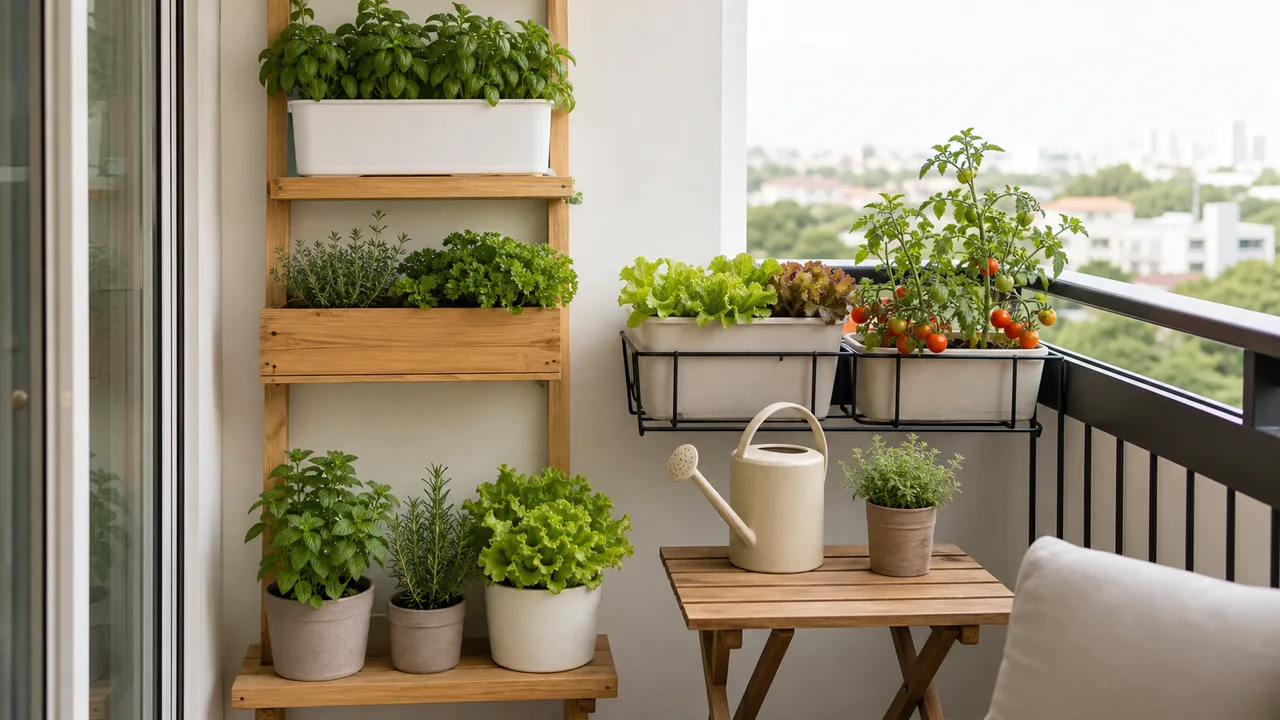
A vertical herb-and-salad system should begin with permission and load verification, not with plants. This is a planning guide, not a real studio-apartment installation. Use it to decide whether a freestanding, manufacturer-designed, or professionally approved system can fit the space without blocking access or creating uncontrolled runoff.
Pass the installation gate first
Before selecting a system, document:
- property ownership or rental restrictions;
- prohibited drilling, railing attachments, and façade changes;
- the location’s verified load limit and who is authorized to assess it;
- clear door, exit, walkway, and service access;
- how water will drain without reaching electrical equipment or another property;
- the system manufacturer’s assembly, anchoring, outdoor-use, and loading instructions.
Do not calculate a safe wall load from pot size alone. Wet medium, containers, plants, stored water, and the frame all contribute weight. This article supplies no structural rating. If permission or capacity is unresolved, stop the wall-mounted plan and consider a permitted freestanding alternative only after its stability and loading requirements are checked.
Map light across height
Upper and lower pockets may receive different light because the system itself creates shade. Record direct and bright-indirect light at the top, middle, and bottom before assigning crops. Recheck after foliage expands.
Most herbs require substantial sun, although University of Maryland Extension identifies mint, chives, and cilantro among herbs that can grow in light shade. Many cool-season leafy crops use a lower direct-sun planning range than fruiting vegetables. These are screening clues, not guarantees; cultivar and local season still control.
Group by water needs, not by recipe
UMD notes that basil, mint, parsley, and cilantro prefer more consistent root moisture than rosemary, thyme, oregano, and lavender. A single connected or closely stacked system can make incompatible moisture needs hard to manage.
Use separate modules or choose a compatible group. Keep aggressively spreading mint contained; UMD describes mint spreading by runners and recommends container control. Do not place a dry-preferring herb below a frequently watered pocket merely because the plants are used in the same meal.
Check every pocket as a container
Each planting pocket must:
- fit the crop’s mature root system;
- retain container medium while allowing excess water to leave;
- remain accessible for inspection and replacement;
- keep the drainage path controlled according to the system instructions and applicable local requirements;
- comply with the system and product instructions.
Use container medium rather than dense garden soil. UMD warns that gravel at a container bottom does not improve drainage. Test the empty system with plain water in a permitted location before planting; this checks the runoff path, not structural safety.
Start with a removable pilot module
Choose one herb and one leafy crop only when their light, moisture, spacing, and seasonal needs can be handled separately. Label each cultivar and record:
| Position | Crop/cultivar | Light record | Water path | Packet spacing | Removal access |
|---|---|---|---|---|---|
Observe whether upper foliage shades lower pockets, runoff stays controlled, and every plant can be reached without climbing or leaning. Do not claim that a pocket is productive until an actual harvest is recorded with a date and unit.
Expand only after four decisions
Add another module only when:
- permission and installation requirements remain satisfied;
- the loaded system’s capacity has been verified by the responsible source;
- light and water records support the proposed crop;
- access, removal, and cleanup remain practical.
If any decision fails, reduce the plan or use ordinary permitted containers. Vertical growing saves floor area only when the supporting system, access, and water management are genuinely workable; it does not create additional safe capacity by itself.
Sources
This guide provides general educational information. Conditions, regulations, structures and plant requirements vary; verify decisions against your own site and relevant local guidance.