Autumn Balcony Vegetable Planting List
Autumn planting is a countdown, not a month name. Start with the local average first-frost date, then ask whether a crop has enough time to establish and reach a useful harvest before cold and declining light slow it down. In frost-free cli
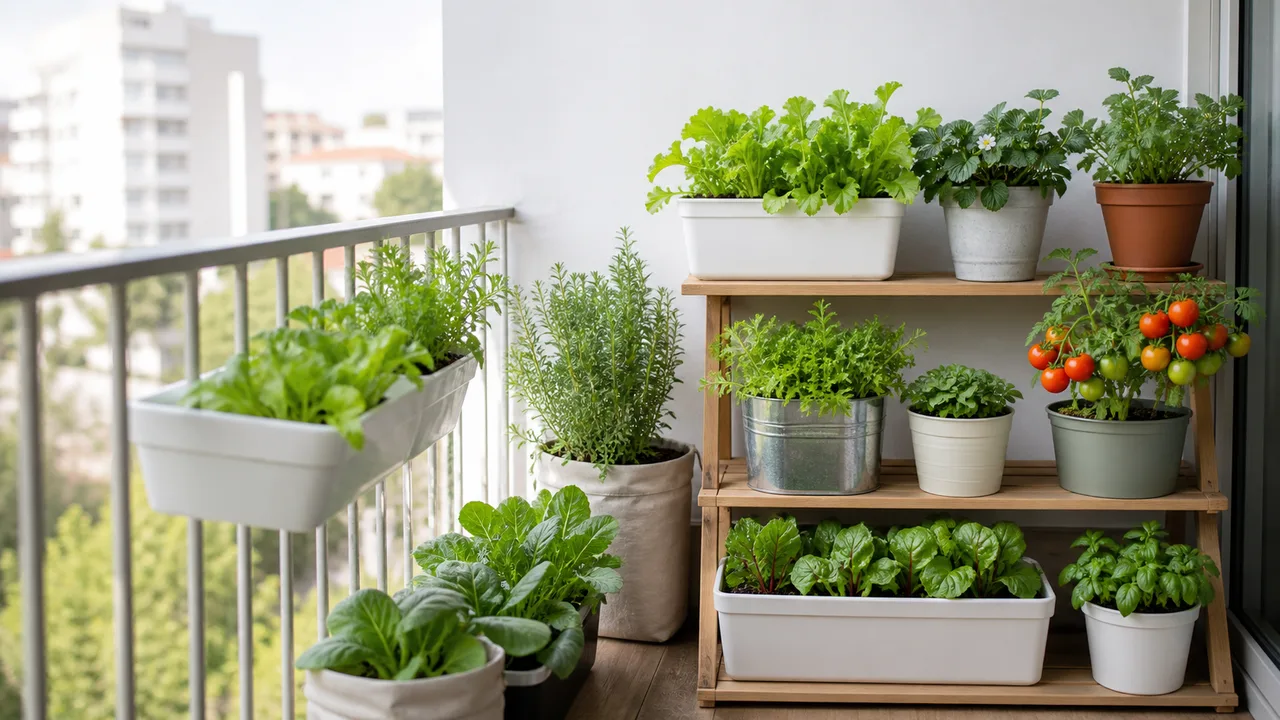
Autumn planting is a countdown, not a month name. Start with the local average first-frost date, then ask whether a crop has enough time to establish and reach a useful harvest before cold and declining light slow it down. In frost-free climates, use the beginning of the cooler, lower-light period as the same decision point.
Build a realistic harvest window
Find a nearby, reliable first-frost reference. Read the seed packet’s days-to-maturity figure, but do not treat it as a guaranteed deadline. Germination, transplant recovery, cooler weather and shorter days can all slow progress.
Use this planning rule:
available growing time = time until the local cold limit − an establishment and weather buffer
The buffer is not one universal number. Local extension guidance may provide a method suited to the crop and climate. If the available window is uncertain, choose a faster cultivar, plant a transplant rather than seed where appropriate, or grow leaves for a young harvest instead of promising a mature head or root.
Group crops by the harvest you need
Quick leaf harvests
Leaf lettuce, spinach, arugula, mustard greens and other locally recommended salad greens can provide young leaves before a full-sized plant forms. Small repeat sowings reduce the risk of one weather event ending the entire crop.
Fast roots and stems
Radishes and scallions can fit short windows when the chosen cultivar’s maturity and local conditions align. Give roots enough container depth and thin seedlings to the spacing on the packet.
Longer cool-season crops
Kale, chard, peas and compact brassicas may suit a longer cooling period, but their timing and cold tolerance vary by crop and cultivar. In a short autumn, transplants may be more practical than starting slow crops from seed.
Do not assume that every crop described as frost tolerant is freeze-proof. Cold tolerance varies by crop and cultivar, so use locally relevant guidance for the selected variety and intended harvest stage.
Decide: sow, transplant or skip
For each candidate, answer four questions:
- Does local guidance recommend it for the coming conditions?
- Is there enough time for the intended harvest, with a buffer?
- Can the balcony provide the needed light as the sun angle changes?
- Can the container be protected or moved during an early cold event?
If any essential answer is no, skip that crop. Buying more seed does not lengthen the season.
Prepare for changing exposure
Re-map direct sun; neighboring buildings and overhangs may cast different shadows than they did in summer. Move portable pots only to safe, permitted locations. Secure supports before seasonal winds arrive, and never attach covers or screens in a way that can become a falling or windborne hazard.
Watering demand often falls as temperatures cool, but wind and small containers can still dry the mix. Check moisture below the surface and water when needed. Avoid keeping the mix continuously saturated simply because the summer schedule is still on the calendar.
Temporary frost protection can extend a planting through a brief event when it is suitable for the crop and safely secured. A cover does not turn a tender warm-season plant into a winter crop. Follow local guidance, monitor forecasts and remove or vent protection when conditions require it.
Use the first cold events as feedback
Harvest tender crops before a damaging freeze is forecast. For cool-season crops, observe which plants tolerate the event and which lose quality. Record the cultivar, container position and protection used; those details make next autumn’s plan more accurate than a generic list.
In a mild, frost-free autumn, the problem may be heat lingering rather than cold arriving. Delay cool-season sowing until conditions begin to moderate, use a small test batch and watch for bolting. The same countdown logic still applies: match crop development to the window of suitable temperature and light.
An autumn balcony succeeds when every pot has a plausible finish line. Choose a few crops with enough time, define whether the target is baby leaves or mature produce, and leave uncertain long-season crops for a better window.
Sources
- University of Minnesota Extension, “Planting Vegetables in Midsummer for Fall Harvest”: https://extension.umn.edu/planting-and-growing-guides/planting-vegetables-midsummer-fall-harvest
- University of Maryland Extension, “When to Plant Vegetables”: https://extension.umd.edu/resource/when-plant-vegetables
- University of Minnesota Extension, “Growing Cool-Season Crops”: https://extension.umn.edu/planting-and-growing-guides/non-pest-issues-cool-season-crops
- University of Maryland Extension, “Growing Vegetables in Containers and Salad Tables”: https://extension.umd.edu/resource/growing-vegetables-containers-and-salad-tables
This guide provides general educational information. Conditions, regulations, structures and plant requirements vary; verify decisions against your own site and relevant local guidance.